Vincent Ventresca: The Versatile Legacy of Hollywood’s Favorite Everyman
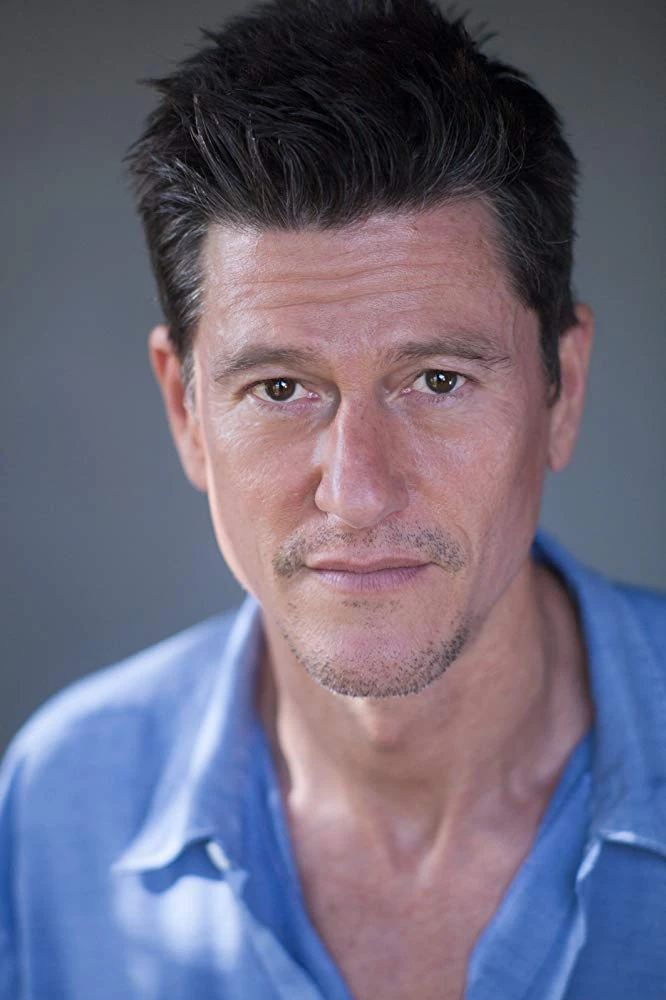
Vincent Ventresca is one of those rare actors who managed to capture the cultural zeitgeist of the late 1990s and early 2000s while remaining a somewhat elusive figure in the Hollywood machine. To some, he is the charmingly academic Jack Reed from the NBC sitcom Boston Common. To others, he is the definitive sci-fi anti-hero Darien Fawkes from the cult classic series The Invisible Man. Perhaps most famously, or infamously, he is Fun Bobby, the boyfriend whose sobriety became a major plot point in the legendary sitcom Friends. Ventresca’s career is a masterclass in the life of a working actor who consistently finds himself at the center of projects that stick with audiences long after they have stopped airing. His ability to pivot between high-stakes science fiction, slapstick comedy, and grounded drama has made him a staple of the small screen for over three decades. Whether he is playing a reluctant spy with a biological invisibility gland or a high school heartbreaker in a pink suit, Ventresca brings a specific kind of Midwestern charm and relatable intensity to every role he inhabits. Understanding his career requires looking past the individual credits and seeing the man who helped define a specific era of television history.
Born on June 4, 1966, in Indianapolis, Indiana, Vincent Paul Gerard Ventresca did not initially seem destined for the glitz and glamour of Los Angeles. He attended Boston College, where he pursued a double major in psychology and philosophy. This academic background often reflects in his performances, where he brings a thoughtful, sometimes cerebral quality to even his most comedic roles. His journey into acting was not a lifelong obsession but rather a path that revealed itself during his college years. After graduating, he made the move to California, quickly finding work in the burgeoning television landscape of the 1990s. It was a time when the "Must See TV" era of NBC was in full swing, and Ventresca was positioned perfectly to ride that wave. His early guest spots in shows like The Fresh Prince of Bel-Air and Life Goes On served as the necessary training ground for what would become a prolific career. You could say he was the guy everyone recognized but whose name took a few more years to fully stick in the public consciousness.
The Breakthrough: Boston Common and Sitcom Stardom
In 1996, Vincent Ventresca landed the lead role in the NBC sitcom Boston Common. Created by David Kohan and Max Mutchnick, who would later go on to create Will & Grace, the show followed a young man from Virginia who moves to Boston to protect his sister from the perceived dangers of college life. Ventresca played Professor Jack Reed, the romantic foil and rival to the main character. The show was an immediate hit, ranking eighth for the year during its first season. This was the peak of the multi-camera sitcom era, and Ventresca’s comedic timing was on full display. He had a way of playing the "straight man" while still being incredibly charismatic, a difficult balance to strike in a genre often dominated by over-the-top performances. Let's be real, we all had that one professor who was just a little too cool for the faculty lounge, and Ventresca nailed that vibe perfectly.
Despite its early success, Boston Common struggled in its second season after a move to a Sunday night time slot. It was eventually canceled, but it established Ventresca as a leading man in the television world. The show’s cancellation was a blessing in disguise, as it allowed him to explore more diverse roles. He wasn't just a sitcom star; he was a versatile performer looking for a challenge. This period of his life was marked by a rapid-fire series of guest appearances and film roles that showcased his range. He had the looks of a leading man but the sensibilities of a character actor, which is a lethal combination in an industry that loves to pigeonhole talent. His work on Boston Common remains a nostalgic touchstone for many 90s television fans who remember the specific brand of humor that defined that decade.
The transition from a sitcom lead to a guest star on the biggest show on the planet happened almost simultaneously. While Boston Common was making waves, Ventresca took on a role that would follow him for the rest of his life. Playing a character in a legendary sitcom is a bit like getting a tattoo on your face; it's the first thing everyone notices, even twenty years later. For Ventresca, that "tattoo" was Fun Bobby. His performance in Friends is a classic example of how a guest actor can leave an indelible mark on a series with very limited screen time. He managed to take a one-note joke and turn it into a memorable character arc that fans still discuss today in forums and at watch parties. It’s a testament to his likability that even as "Boring Bobby," he was still a character the audience felt a strange connection to.
The Legend of Fun Bobby: A Cultural Milestone
In the world of Friends, few guest characters are as iconic as Fun Bobby. Introduced in the first season as Monica Geller’s boyfriend, he was the life of every party. However, the writers threw a curveball in the second season with the episode "The One with Russ." It turned out that Fun Bobby’s boundless energy and infectious joy were entirely fueled by alcohol. When he decided to get sober for Monica, he became "Boring Bobby," a man who told endless, dull stories about bridges and simple tasks. Vincent Ventresca’s performance in these episodes was brilliant because he had to play two completely different versions of the same man. He transitioned from a high-energy party animal to a man who looked like he had just discovered the concept of a nap, all while maintaining the core of the character. It was a subtle, funny, and surprisingly poignant commentary on the nature of personality and addiction hidden within a sitcom format.
Fun Bobby has since become a shorthand for any person whose personality changes drastically after a lifestyle shift. Ventresca has embraced this legacy with grace, often laughing about how he is recognized as the guy who made the Central Perk gang fall asleep. The role required him to work closely with Courteney Cox, and their chemistry was a highlight of the early seasons. It’s fascinating to see how a role that only spanned two episodes can become a defining pillar of an actor's public identity. In many ways, Fun Bobby represents the relatable struggles of dating in your twenties, making him a perennial favorite for fans of the show. You haven't truly lived through your twenties until you've dated someone who was a blast on Friday night and a total snoozefest on Tuesday afternoon. Ventresca gave us the blueprint for that experience, and we are forever grateful for the laughs.
The success of Fun Bobby didn't just end with Friends. It served as a calling card that proved Ventresca could handle the pressure of a massive production without losing his individual spark. It also showcased his ability to handle physical comedy and rapid-fire dialogue, skills that would serve him well in his later projects. While some actors might resent being tied to a single guest role, Ventresca seems to understand the power of the Friends brand and the joy it brings to millions of people. He remains one of the most frequently cited guest stars in the history of the show, proving that there are no small roles, only small actors. And Vincent Ventresca is anything but small in the eyes of his dedicated fanbase.
The Invisible Man: Taking the Lead in Sci-Fi
In 2000, Vincent Ventresca took a bold step into the world of science fiction with the Sci-Fi Channel’s original series The Invisible Man. This wasn't your grandfather’s H.G. Wells adaptation. Ventresca played Darien Fawkes, a small-time thief who is given a second chance at life by his brother, a scientist who implants a "Quicksilver" gland in his head. This gland allows Darien to become invisible at will, but there’s a catch: the gland secretes a substance that eventually leads to "Quicksilver madness" if the host doesn't receive regular doses of a counteragent. This premise allowed for a unique blend of spy thriller, comedy, and psychological drama. Ventresca was the perfect choice for the role, as he could pivot from a sarcastic rogue to a man genuinely terrified of losing his mind. Playing a character who is literally invisible for half the show sounds like an easy paycheck, but Ventresca actually worked harder to convey emotion through his voice and body language.
The chemistry between Ventresca and his co-star Paul Ben-Victor, who played the grumpy federal agent Bobby Hobbes, was the heart of the series. The show leaned heavily on the "odd couple" dynamic, with Fawkes and Hobbes bickering their way through various secret missions. The Invisible Man was a massive hit for the Sci-Fi Channel (now Syfy) and remains one of the most beloved original series in the network’s history. It lasted for two seasons and 45 episodes, ending prematurely due to budget disputes rather than a lack of audience interest. Fans were devastated by the cancellation, as the show had built a complex mythology and a loyal following. Ventresca’s portrayal of Darien Fawkes remains the definitive version of the character for a generation of sci-fi enthusiasts. He brought a sense of humor and humanity to a role that could have easily been a generic action hero.
One of the most impressive aspects of his work on The Invisible Man was the physicality he brought to the role. Even when he was visible, he moved with the caution of a man who was used to sneaking around. He also mastered the art of "acting with nothing," as many of his scenes involved interacting with visual effects that weren't there. This era of his career solidified his status as a versatile lead who could carry a show on his own shoulders. It also opened the door for more genre work, as producers realized he had the "geek cred" to appeal to sci-fi fans. For many, Darien Fawkes is the role where Ventresca truly came into his own as a performer, blending his comedic roots with a darker, more adventurous edge. If you haven't seen the show, you're missing out on some of the best-written sci-fi of the early aughts.
Romy and Michele’s High School Reunion: A Cinematic Classic
While his television work is extensive, Vincent Ventresca also made a significant impact on the big screen, most notably in the 1997 cult comedy Romy and Michele's High School Reunion. He played Billy Christianson, the high school crush of Mira Sorvino’s character, Romy. Billy was the quintessential high school dreamboat who didn't quite live up to the hype in the years following graduation. In the film’s iconic dream sequences and flashback scenes, Ventresca perfectly embodied the "popular guy" persona that every 90s teenager was familiar with. His role was crucial to the film’s theme of self-acceptance and moving past the trauma of high school social hierarchies. Seeing him in that bright pink suit during the dream wedding sequence is an image burned into the brains of comedy fans everywhere.
Working alongside Mira Sorvino and Lisa Kudrow, Ventresca held his own in a film filled with legendary comedic performances. Romy and Michele has only grown in popularity over the years, becoming a staple of "girl's night" movie marathons and a source of endless memes. Ventresca’s character serves as a reminder that the people we put on pedestals in high school are often just as messy and confused as the rest of us. His performance was subtle enough to be believable but funny enough to fit the film’s heightened reality. It’s another example of his ability to pick projects that have a long shelf life. High school reunions are basically just professional opportunities to lie about your success, and Billy Christianson was the trophy everyone wanted to win. Ventresca played that trophy with a hilarious mix of vanity and obliviousness.
His filmography also includes roles in movies like The Cure and The Thin Pink Line, but Romy and Michele remains his most recognizable film work. It allowed him to showcase his range to a wider audience and proved that he could transition seamlessly from the small screen to the big screen. The film’s legacy continues to thrive, and Ventresca’s contribution to its success cannot be overlooked. He provided the necessary "straight man" energy to the chaotic duo of Romy and Michele, making their journey all the more rewarding for the audience. Whether he was the "real" Billy or the "dream" Billy, he was consistently entertaining and perfectly cast.
Later Career and the Working Actor’s Journey
In the years following The Invisible Man, Vincent Ventresca has continued to work steadily in both television and film. He has become a sought-after guest star, appearing in some of the most popular procedurals and dramas of the last two decades. His credits include roles in CSI: Miami, Las Vegas, Psych, Criminal Minds, and 9-1-1. Each of these appearances shows a different facet of his talent. In Psych, he leaned back into his comedic roots, while in Criminal Minds, he took on a more intense, dramatic role. This longevity is rare in Hollywood, especially for actors who start in sitcoms. Ventresca has avoided the "where are they now" trap by being a reliable, talented performer who shows up and does the work. He is a true "working actor," someone who values the craft over the celebrity status.
One of his more significant later roles was in the ABC sitcom Complete Savages, produced by Mel Gibson. In the show, he played Jimmy Savage, one of the five brothers being raised by a single father. The series allowed him to return to the multi-camera format he mastered in Boston Common. While the show only lasted for one season, it further cemented his reputation as a versatile comedic talent. He also reunited with his Invisible Man co-star Paul Ben-Victor in several projects, much to the delight of their shared fanbase. This kind of professional consistency is a testament to his reputation within the industry. Directors know that when they hire Vincent Ventresca, they are getting a pro who can handle anything they throw at him. He’s like the Swiss Army knife of actors; you might not use him for every task, but you’re always glad he’s in your pocket.
Beyond his on-screen work, Ventresca has also dabbled in voice acting and independent film. He has maintained a relatively private personal life, residing in Los Angeles with his family. His marriage to Dianne Gaidry in 1995 was a cornerstone of his life until her passing in 2019. This personal loss was a significant moment for him, and he has spoken about the importance of family and the support he received from the acting community during that time. His resilience both in his personal life and his career is inspiring. As he continues to take on new roles, he remains a beloved figure for fans of 90s and 2000s television, a reminder of a time when TV felt a little more personal and a lot more fun.
The Evolution of a Television Icon
Looking back at the career of Vincent Ventresca, it is clear that his impact on television is far-reaching. He isn't just an actor who was in a few hit shows; he is a performer who helped shape the tone of those shows. His transition from the "cool guy" in Boston Common to the "fun guy" in Friends and then the "invisible guy" in The Invisible Man shows a remarkable trajectory. Most actors get stuck in one lane, but Ventresca has managed to drive in all of them. He understands the mechanics of storytelling and how to make a character feel real, even when that character is invisible or a caricature of a high school crush. This deep understanding of character is likely rooted in his psychology and philosophy studies at Boston College. He doesn't just play a role; he analyzes the "why" behind it.
The modern television landscape is vastly different from the one Ventresca started in, yet he remains relevant. In an era of streaming and binge-watching, shows like The Invisible Man and Friends are reaching new audiences every day. Younger viewers are discovering "Fun Bobby" for the first time on Netflix or HBO Max, and they are finding the character just as funny as original viewers did. This cross-generational appeal is the hallmark of a true talent. Ventresca’s work has a timeless quality because it is grounded in universal human experiences: the desire for connection, the fear of losing one's mind, and the awkwardness of revisiting the past. He makes the extraordinary feel ordinary and the ordinary feel extraordinary. That is the secret sauce of his enduring career.
As we look forward to his future projects, it’s worth taking a moment to appreciate the breadth of his work. Whether he’s appearing in a guest role on a hit procedural or taking the lead in a new independent film, he brings the same level of commitment and charisma. He is a reminder that you don't need to be an A-list movie star to have a profound impact on the culture. Sometimes, being the guy everyone recognizes and loves is a much greater achievement. Vincent Ventresca is a staple of our collective television history, and his legacy is only growing stronger with time. He’s the guy who can do it all, and he’s been doing it better than most for a very long time.
Frequently Asked Questions About Vincent Ventresca
Who is Vincent Ventresca?
Vincent Ventresca is an American actor born in Indianapolis, Indiana. He is best known for his roles as Darien Fawkes in the Sci-Fi Channel series The Invisible Man, Professor Jack Reed in the NBC sitcom Boston Common, and "Fun Bobby" on the hit show Friends. He has been active in the industry since the early 1990s and has appeared in numerous TV shows and films.
What happened to Fun Bobby on Friends?
In the show Friends, Fun Bobby (played by Vincent Ventresca) was Monica Geller's boyfriend. Initially known for being the life of the party, it was later revealed that his "fun" personality was a result of his drinking. After he decided to get sober to please Monica, he became "Boring Bobby," a character who was so dull he made the rest of the group fall asleep. Monica eventually started drinking just to tolerate his stories, which led to their breakup.
Was The Invisible Man (2000) a successful show?
Yes, The Invisible Man starring Vincent Ventresca was a significant success for the Sci-Fi Channel. It was one of the network's highest-rated original series and developed a dedicated cult following. Despite its popularity and critical acclaim, the show was canceled after two seasons primarily due to high production costs and budget disputes between the network and the studio. Fans continue to campaign for a revival or a continuation of the story.
What movies has Vincent Ventresca been in?
Vincent Ventresca’s most notable movie role is Billy Christianson in the 1997 comedy Romy and Michele's High School Reunion. He has also appeared in films such as The Cure (1995), The Thin Pink Line (1998), Madison (2001), and Dead & Breakfast (2004). His film work often complements his extensive television career, showcasing his ability to handle both comedic and dramatic material.
What is Vincent Ventresca doing now?
Vincent Ventresca remains active in Hollywood as a guest star and character actor. In recent years, he has appeared in popular series like 9-1-1, Criminal Minds, and Psych. He continues to be a favorite among casting directors for his versatility and professional reputation. He also occasionally participates in fan conventions, particularly those focused on 1990s nostalgia and science fiction.
Conclusion: The Underrated Power of the Character Lead
Vincent Ventresca is the ultimate proof that you don't need your name on a billboard every week to be a vital part of the entertainment industry. He has navigated the treacherous waters of Hollywood by being consistently good, undeniably charming, and remarkably humble. From the "Quicksilver" madness of The Invisible Man to the alcoholic antics of Fun Bobby, he has given us some of the most memorable moments in television history. His career is a reminder that the best actors are often the ones who can blend into any ensemble while still standing out when the spotlight hits them. He is a master of the "character lead", an actor with the charisma to carry a show but the nuance to support a cast. Honestly, if we’re being real, "Boring Bobby" was actually more relatable than half the main cast of Friends, and that is a hill I am willing to die on. Rate and review on Gatsby.